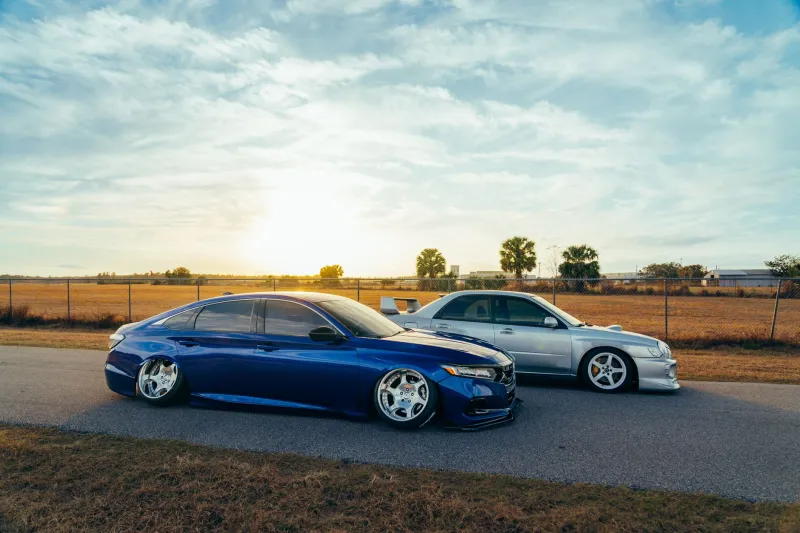
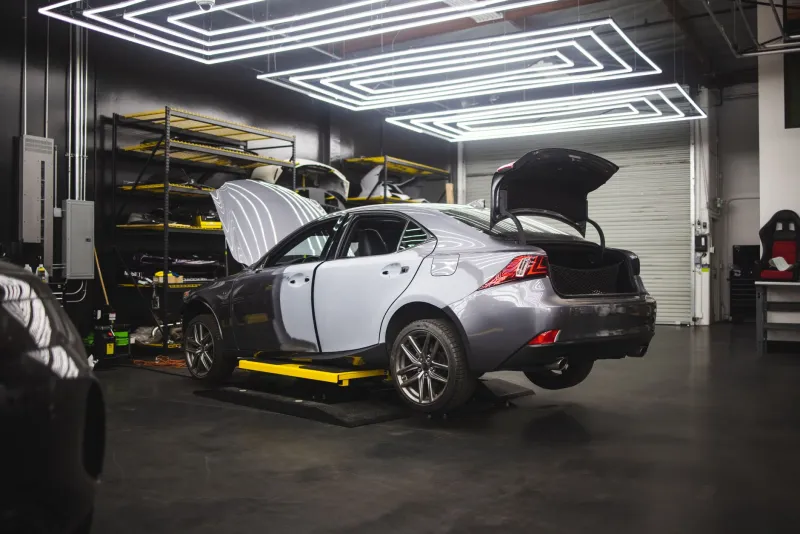
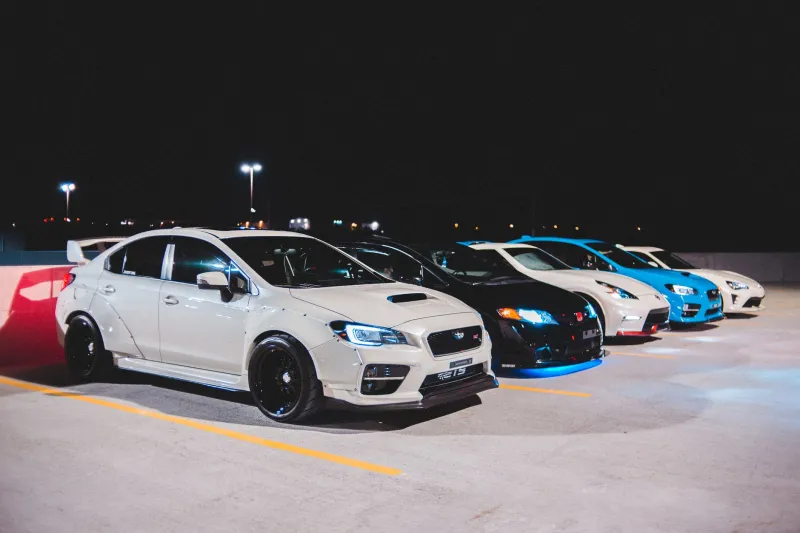
One More Part Won't Hurt: The Slow, Expensive Spiral From Budget Build to Full-Blown Obsession
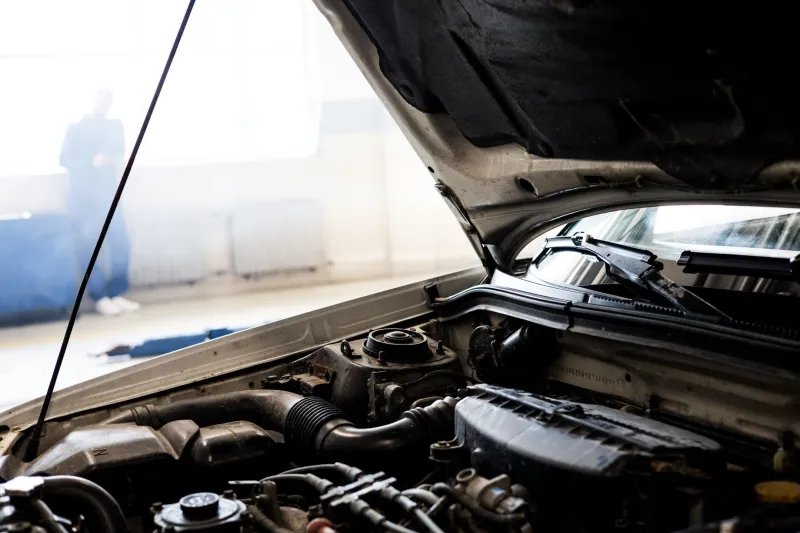
It starts so innocently. You pick up a clean shell for a couple thousand bucks, maybe a beat-up Civic or a tired S-chassis that just needs a little love. The plan is simple: fix what's broken, tighten it up, maybe throw on some wheels, and call it a day. Three grand total, tops. You've done the math on a napkin and it pencils out.
Six months later you're deep in an engine management rabbit hole at 1 a.m., your credit card is warm from use, and the original "budget" is a distant memory you laugh about bitterly. Welcome to bracket creep—the silent killer of sensible build plans everywhere.
This isn't a story about impulse control. It's about something way more insidious than that.
Why the Budget Always Moves
Here's the thing nobody tells you when you start a build: the car doesn't stay still while you're working on it. Every time you fix one problem, you expose three more. Pull the engine and suddenly the transmission mounts look sketchy. Address the suspension and now the brake lines look original and questionable. Fix the brakes and now you're staring at a fuel system that's clearly been neglected for a decade.
This is called the cascade effect, and it's the mechanical version of pulling a loose thread on a sweater. Except the sweater costs $15,000.
But the cascade effect is only half the story. The other half is purely psychological, and it's a lot harder to defend against.
Builders are optimizers by nature. The same brain that makes you good at spotting a clean deal on Craigslist is also the brain that will convince you, with alarming logic, that spending $800 on coilovers "protects your investment" in the $400 wheels you just bought. One purchase justifies the next. The next one justifies the one after that. Before long you're not building a budget car—you're building your car. And those are two very different projects.
The Justification Machine
Spend enough time in build culture and you'll hear the same phrases recycled endlessly:
"It's cheaper to do it right once." "I'll never get this chance again with the car already apart." "This part holds its value anyway." "I'll sell the old parts and basically break even."
Every single one of those statements can be true in isolation. The problem is that they compound. You say each one maybe a dozen times over the course of a build, and suddenly you've rationalized your way into a completely different project than the one you started.
The justification machine is powerful because it's not wrong—it's just incomplete. Yes, it might be cheaper to do it right once. But "right" for what purpose? If the car was supposed to be a flip or a daily driver with some personality, then "right" doesn't mean a built bottom end and a sequential gearbox. Context matters, and the justification machine has a short memory for context.
Opportunity Cost Nobody Talks About
Here's the angle that gets glossed over in build content: every dollar you put into this car is a dollar that isn't going somewhere else. That's obvious on the surface, but dig a little deeper.
The guy who turned a $3K project into a $15K obsession didn't just spend $12K extra. He spent the time researching parts, the weekends wrenching instead of doing other things, the mental bandwidth that went toward this build instead of toward other goals. The real cost of bracket creep isn't just financial—it's the opportunity cost of everything else that didn't happen while this car consumed your life.
None of that means it wasn't worth it. Some builds absolutely are. But you should make that call deliberately, not by default.
Two Paths Forward—And Both Are Valid
Once you recognize you're in the spiral, you've got two honest options. Most build advice pretends there's only one.
Option one: Embrace it intentionally. If you've looked at where the build is headed and you genuinely want to go there, stop pretending you're on a budget and start treating this like the real project it is. Set a new ceiling with eyes open. Build a proper parts list. Stop buying things piecemeal and start buying with a system. The worst version of bracket creep isn't spending more money—it's spending more money without a plan, which is how you end up with a garage full of parts that don't actually work together.
Option two: Draw a hard line and actually hold it. This is harder than it sounds, but it's possible if you're honest with yourself about a few things. First, define "done" before you start. Not vaguely done—specifically done. Write down exactly what the car will have when it's finished and don't add to the list. Second, build in a buffer. Whatever you think the project costs, add 20 percent and treat that as your real number. Third, create friction for new purchases. Before you buy anything that wasn't on the original list, make yourself wait 72 hours. Most impulse upgrades don't survive 72 hours of honest reflection.
The Part Nobody Wants to Hear
Some builds shouldn't stay budget builds. The car finds you as much as you find it, and sometimes what you thought was a quick flip turns into a long-term relationship. There's nothing wrong with that.
But there's a difference between a build that evolves because you genuinely fell in love with the project and a build that evolves because you never made a decision and just kept saying yes to the next part. One is a passion project. The other is financial drift wearing a passion project's clothes.
The builders who come out the other side with something they're actually proud of—and a bank account that didn't completely bottom out—are the ones who made conscious choices at every fork in the road. They either decided to go big on purpose or they decided to stay disciplined on purpose. What they didn't do was drift.
Know What You're Building Before You Build It
The best thing you can do before the first wrench turns is to sit down and get ruthlessly honest about what this car is for. Is it a weekend toy? A show piece? A daily you want to look good? A project you're going to sell? Each one of those answers leads to a completely different parts list and a completely different budget ceiling.
When you know what you're building, "one more part" either fits the vision or it doesn't. That clarity is what separates builders who finish from builders who just keep going.
Your rack is only as impressive as the intention behind it. Build with purpose, or the build will build you.