Wrap It Before You Commit: How Smart Builders Use Protection to Buy Time and Preserve Value
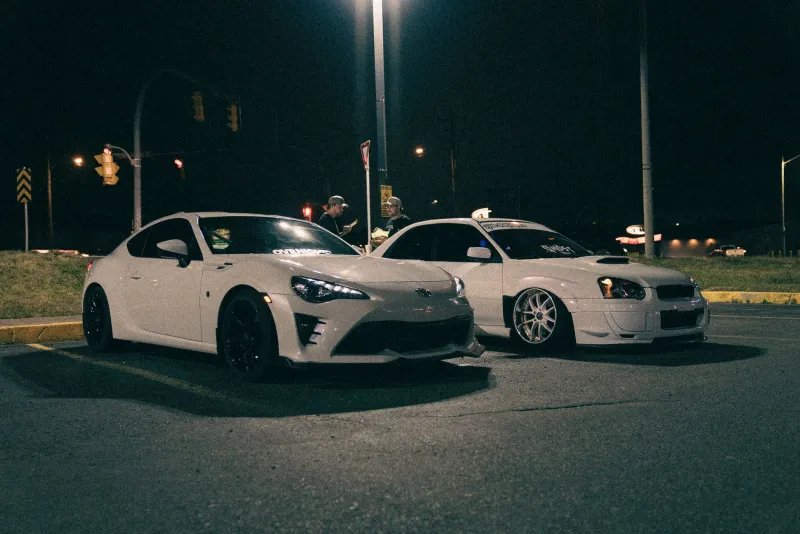
Here's a scenario that plays out in garages across the country every single weekend: a builder drops serious cash on a clean platform, starts modifying, falls in love with the project, and then six months later realizes the paint underneath all that work is shot. Rock chips on the hood. Swirl marks from a rushed detail. A door ding from some parking lot nobody at the car show will ever admit to. The build looks killer from twenty feet. Up close, it's quietly losing value every single day.
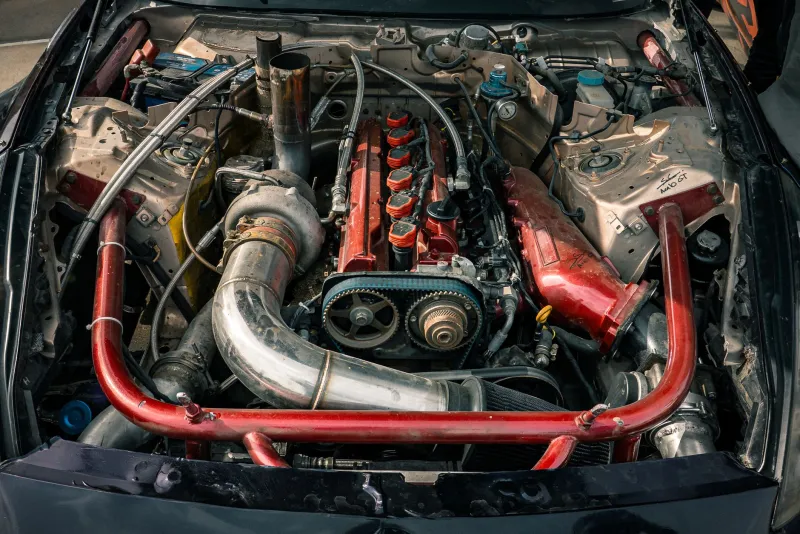
The enthusiast community talks endlessly about what to bolt on, what to swap out, and what to tune. But protecting the canvas underneath? That conversation still gets treated like an afterthought—something you think about after the build is done. That's exactly backwards.
Protection isn't the finish line. It's part of the build itself.
PPF: The Invisible Insurance Policy
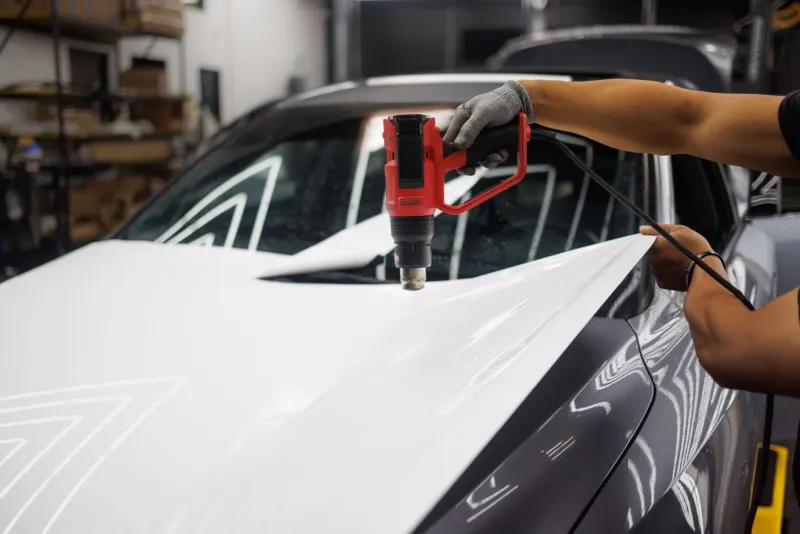
Paint Protection Film—PPF—used to be something dealerships slapped on the front bumper of luxury sedans and called it a day. The stuff has come a long way. Modern PPF is optically clear, self-healing on minor scratches (thanks to heat activation), and tough enough to shrug off road debris that would eat through a standard clear coat in a single highway run.
For builders, the case for PPF is almost embarrassingly straightforward. If you've got a daily driver that you're also modifying, your paint is getting hit constantly. Highway miles, gravel parking lots, the occasional shopping cart that some guy just let roll. PPF absorbs all of that. Your actual paint sits underneath, untouched.
The smarter angle, though, is what PPF does for your decision-making timeline. Say you're torn between keeping the factory color and going with a full wrap. PPF lets you protect the original finish while you figure that out. When you're ready to wrap, the paint underneath is still in showroom condition. If you eventually decide to sell without the wrap, you're presenting a car that looks like it just rolled off the lot—not one that's been sitting exposed to the elements for two years of build time.
Full-front coverage is the most popular entry point: hood, fenders, mirrors, bumper. Expect to spend anywhere from $900 to $2,500 depending on your installer and your market. Full-body PPF runs significantly higher, but on a high-dollar build, the math starts making a lot of sense pretty quickly.
Ceramic Coatings: Locking In the Shine
Ceramic coating is a different tool for a different job. Where PPF is about physical impact resistance, ceramic is about surface protection—keeping contaminants, UV rays, and water from degrading your finish over time. A properly applied ceramic coating creates a hydrophobic layer that makes washing the car faster, keeps it cleaner between washes, and gives the paint a depth and gloss that's hard to describe until you've seen it in direct sunlight.
For show builds especially, ceramic coating is almost non-negotiable. You've already spent hours perfecting your paint correction or your wrap installation—ceramic locks all of that in. It's also compatible with PPF, which means layering both gives you a protection stack that covers nearly every real-world threat your build will face.
Professional-grade ceramic installations typically run $500 to $1,500 for a full vehicle, depending on the product tier and the condition of the paint going in. DIY kits exist, but the prep work matters enormously—bad prep means bad bonding, and a ceramic coat applied over contaminated or unpolished paint is just an expensive mistake.
Full Wraps: The Aesthetic Wildcard That Actually Protects Your Wallet
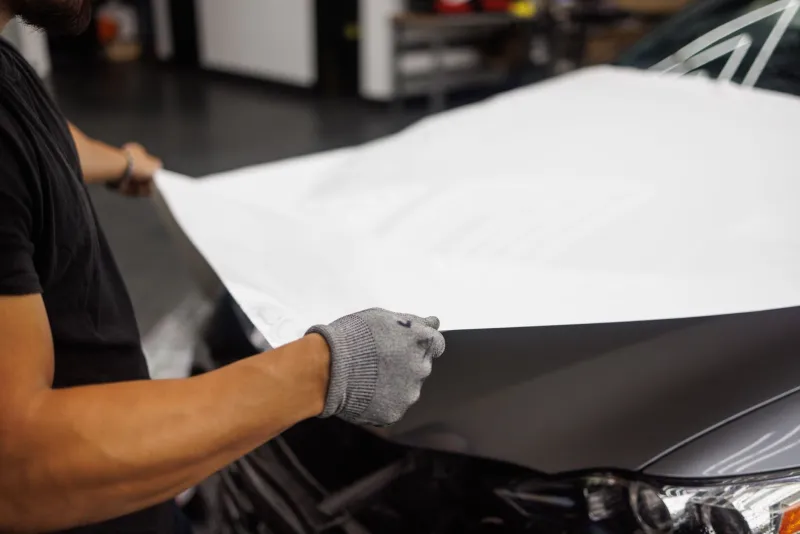
This is where the conversation gets interesting for the modification crowd. A full vinyl wrap isn't just a style choice—it's a protective layer over your factory paint, and when it's removed correctly, that paint comes off looking exactly like it did the day the wrap went on.
That's a big deal for builders who are still evolving their vision. Maybe you're running a satin black wrap right now because it fits the aggressive stance and the wheel setup you've got. But you're not sure if that's the forever look. Maybe you go color-matched next year. Maybe you go full chrome delete and a two-tone. With a wrap, none of those pivots cost you your paint. You peel, you install, you move on.
The financial logic here is real. A quality full wrap on a mid-size vehicle runs roughly $2,500 to $5,000 installed, depending on the film brand and the complexity of the vehicle's body lines. Compare that to a respray, which can run anywhere from $3,000 on the low end to well north of $10,000 for quality work. And a respray is permanent. A wrap is not.
For anyone who's planning to sell the build eventually—or who just hasn't fully committed to a single aesthetic direction—a wrap preserves your options in a way that nothing else really does.
Building the Protection Into the Budget From Day One
The mistake most first-time builders make is treating protection as a reward for finishing the build. Something you'll get to eventually. The problem is that by the time you get to it, the damage is already done. The paint has rock chips. The clear coat has oxidation starting in the corners. The door edges are scuffed from a hundred parking lot encounters.
The builders who end up with the cleanest, highest-value cars are the ones who baked protection into the initial budget. Before the coilovers. Before the intake. Before the wheels. They protected the canvas, and then they built on top of it.
If you're working with a limited budget and have to prioritize, PPF on the front end and a ceramic coat on the full vehicle is your highest-leverage move. It's not the most exciting line item in your build spreadsheet, but it's the one that quietly saves you the most money over time.
What This Means at the Show
Here's the thing nobody tells you until you've been around the car show circuit for a few years: judges and serious enthusiasts can spot protected paint from across the lot. There's a quality to the finish—a depth, a cleanliness—that only comes from paint that's been taken care of from the start. Wrapped cars that are properly installed and maintained show beautifully. PPF'd paint under good lighting has a richness that bare, unprotected clear coat just can't replicate after a few years of exposure.
Protection isn't just about preservation. It's about presentation. And in a culture where the details are everything, showing up with a build that looks as good under a flashlight as it does under stadium lights at a major show? That's how you earn real respect.
So before you pull the trigger on the next big mod, ask yourself what's underneath it. Because the build you're flashing at the next show is only as good as the foundation you've been protecting all along.