Somebody's Watching: What Happens to a Build the Moment It Gets an Audience
There's a version of this hobby that lives entirely in your head. You pull into the garage, shut the door behind you, crack something cold, and work. Nobody's grading you. Nobody's waiting on progress photos. The build is yours, the process is yours, and the satisfaction—when it comes—is yours alone.
That's the purist story. It's also, for most builders, only half true.
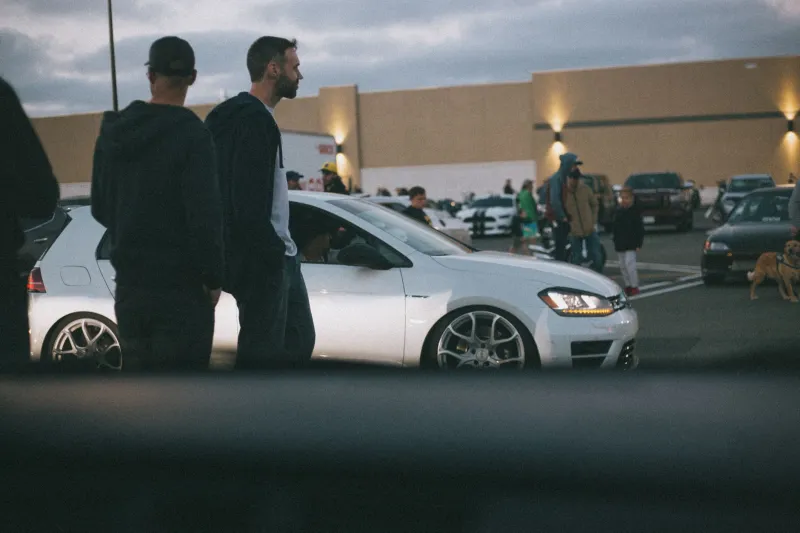
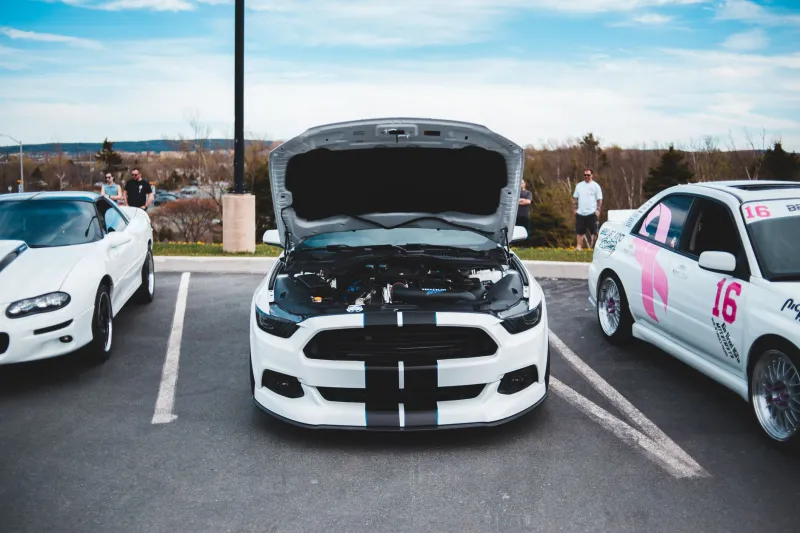
Because somewhere between the first bolt and the finished product, something changes. Maybe a neighbor stops walking their dog just long enough to say what is that thing? Maybe you post one photo without thinking and the comments don't stop. Maybe you roll into a gas station and three strangers are already circling the car before you've even killed the engine. And just like that, the project you built for nobody has an audience—and you feel it.
This isn't a confession. It's just how the psychology works.
The Invisible Crowd Has Always Been There
Here's the uncomfortable part: even builders who genuinely believe they're building for themselves are almost always building with some imagined observer in mind. It might be a past version of themselves who couldn't afford this car. It might be a forum community they respect. It might be a rival from a car show three years ago whose opinion they can't shake loose.
Psychologists call this kind of internalized audience a reference group—a set of people whose judgment you've absorbed so completely that you carry them with you even in an empty garage. When you debate whether to run the clean setup or go aggressive with the aero kit, you're not just solving an aesthetic problem. You're running it through a filter. Whose eyes are you seeing it through?
The builders who pretend this isn't happening aren't more authentic. They're just less honest with themselves—which, ironically, often makes their builds worse, because they're making decisions based on an audience they won't acknowledge.
What Changes When the Crowd Goes From Imaginary to Real
The shift from building privately to building with a visible audience isn't just psychological—it's practical, and it shows up fast.
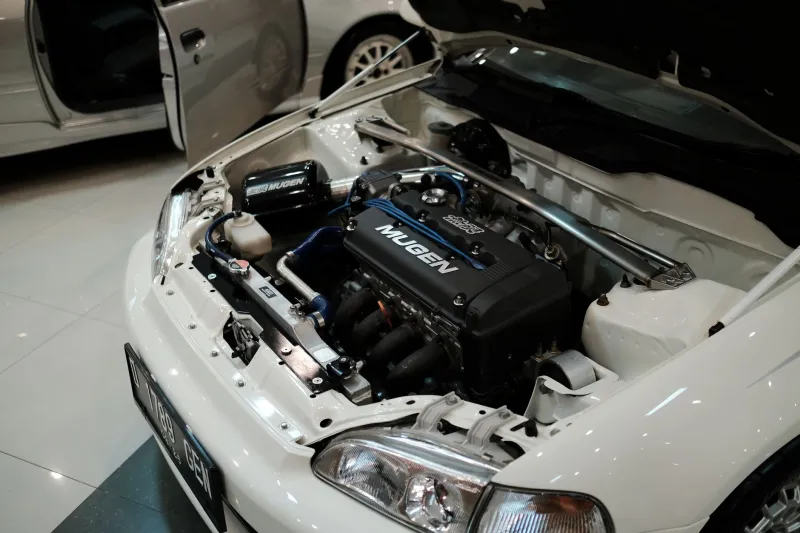
First, part selection tightens up. When it's just you, a good-enough solution is fine. But once you know people are going to look, the hidden shortcut starts to bother you. The zip tie holding that wire loom suddenly feels like a liability. The rattle can finish on the engine bay that looked decent in the dark looks rough under a parking lot light at a car meet. You start speccing things you'd have skipped.
Second, timelines compress—or at least, motivation spikes in a way it didn't before. Half-built cars rot in garages across America because there's no external pressure keeping the project moving. The moment there's a show on the calendar, or a cruise you promised to attend, or just a friend who keeps asking when it'll be done, the pace changes. Accountability, even informal accountability, is a hell of a motivator.
Third, and this one matters: you start finishing things. Not just getting them close. Actually finishing them. Trim panels go back on. Details get addressed. The build starts looking like a complete vision rather than a pile of intentions.
The Tension Nobody Talks About
But here's where it gets complicated. Because building for an audience—even if you came to it naturally, even if nobody pressured you—introduces a set of trade-offs that pure solo builds don't have to deal with.
When you know people are watching, you start making choices that photograph well over choices that drive well. You chase visual drama at the expense of function. You pick the part with the better brand name because you know someone at the show will ask, and you want the right answer ready. You delay the project because it's not perfect yet, and you can't let an imperfect thing be seen.
This is the spectator effect in its worst form—not inspiration, but paralysis dressed up as perfectionism. The build stalls not because you've run out of money or motivation, but because the imagined judgment of the crowd has gotten louder than your own instincts.
Some of the most impressive builds in this country are sitting in garages right now, 80 percent done, because their owners can't decide whether they're building for themselves or for the audience that's already formed around the project. That tension is real, and it's worth naming.
How Smart Builders Use the Audience Without Letting It Drive
The builders who handle this well have figured out a balance that sounds simple but takes a while to actually practice: they let the audience motivate the build without letting the audience direct it.
In practical terms, that means deciding on the vision first—before the comments, before the likes, before the show season—and then using the energy of an engaged audience to stay accountable to that vision, not to whatever the crowd seems to want in the moment.
It also means being deliberate about when you share. Dropping progress photos too early invites feedback during the phase when you're most vulnerable to it. Builders who wait until the concept is locked before going public tend to stay truer to their original instincts. The audience becomes a celebration rather than a committee.
And it means accepting that some of your choices won't land with everyone—and that's not a failure. The builds that generate the strongest reactions are almost always the ones that had a clear, personal point of view baked in from the start. Generic crowd-pleasing builds get polite applause. Builds with a genuine perspective get remembered.
Your Build Was Always Going to Be Seen
If you're reading this on a car enthusiast site, there's a decent chance you've told yourself at some point that you're just building for you. And maybe that started out true. But somewhere in the process, you started caring about how it looked to someone else—and that's not a problem to fix. It's a completely human response to doing something you're proud of.
The goal isn't to eliminate the audience from your thinking. It's to know they're there, understand what they're doing to your decision-making, and stay in the driver's seat anyway.
Because at the end of the day, the best builds aren't the ones that got the most attention. They're the ones where the builder's vision came through so clearly that the audience couldn't help but pay attention. That's the difference between chasing the crowd and earning it.
Flash your rack on your terms. The right people will notice.