Filtered to Death: How Social Media Is Warping the Way Builders See Their Own Cars
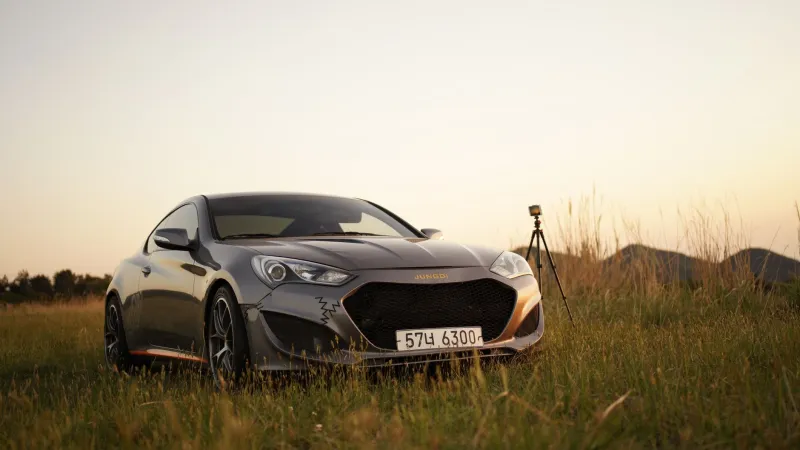
You spend six months on a build. Nights in the garage, weekends chasing parts, more money than you planned and more patience than you thought you had. The car finally comes together. You shoot it on a Sunday morning — golden hour, empty lot, a little editing in Lightroom — and the photos are fire. The comments go crazy. The shares roll in. For about 48 hours, you feel like you built something legendary.
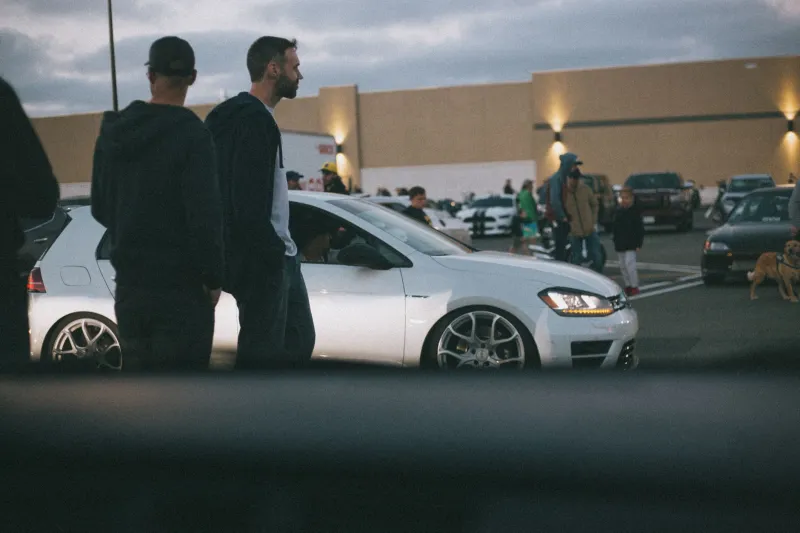
Then you pull it into a car meet and something feels off.
The paint looks a little different under fluorescent lights. The fitment that looked slammed in photos is sitting a touch high in real life. Someone walks around the car and doesn't stop the way you imagined they would. You start second-guessing everything — the color, the wheels, the whole direction of the build.
Here's the thing: the car didn't change. Your perception of it did. And social media is almost entirely to blame.
The Camera Is a Professional Liar
This isn't a knock on photographers — it's just physics. Camera lenses compress and distort space in ways the human eye never does. A wide-angle shot from a low perspective makes any car look lower, wider, and more aggressive than it actually sits. A telephoto lens flattens depth and makes wheels look like they fill the fenders perfectly even when there's a gap you could park a finger in.
Add in the fact that most build photos are shot in carefully controlled lighting conditions — sunrise, sunset, overcast days that soften shadows — and you're looking at a version of the car that exists almost nowhere in the real world. Nobody's daily commute happens during golden hour. Gas station canopy lighting doesn't care about your aesthetics.
And then there's editing. Even modest post-processing — bumping contrast, pulling highlights, crushing the blacks — does things to metallic paint and gloss finishes that make them pop in ways they simply don't replicate in person. That deep, almost liquid look your paint has in photos? That's partially the edit talking.
Why Your Brain Gets Fooled
Here's where it gets psychological. When you post a photo of your build and it performs well — likes, saves, comments from people you respect in the community — your brain starts to associate that image with the car itself. Over time, the photo becomes your mental reference point. You stop seeing the actual car and start seeing the curated version of it.
This is called the picture superiority effect, and it's not some fringe theory. Visual memory is incredibly sticky, especially when it's paired with social reinforcement. Every time someone tags your build or shares your photo, that image gets burned a little deeper.
So when you're standing in a parking lot looking at the real thing, your brain is quietly comparing it to the edited version stored in your memory — and the real car loses every time. It's not a fair fight.
The Feed Creates a False Benchmark
It gets worse when you factor in what you're consuming alongside your own content. Your feed is full of the best shots from the best builds, all filtered and framed to perfection. Builds with five times your budget look achievable because they're presented the same way yours is — a few photos, a clean background, the right hashtags.
You're not comparing your car to other real cars. You're comparing it to a highlight reel. And highlight reels are designed to make everything look extraordinary. That's the whole point.
The result is a kind of low-grade dissatisfaction that's become almost universal in the build community. Builders who should be proud of genuinely solid work are constantly feeling like they're behind, like their build isn't there yet, like something needs to change. Sometimes that drives good progress. A lot of the time, it just drives unnecessary spending and second-guessing.
How to Actually Assess Your Own Build
So how do you break out of the filter bubble and see your car clearly? A few things actually work.
Walk away from the phone for a week. Seriously. Don't shoot the car, don't post it, don't scroll builds in the same category. Let your eyes recalibrate. When you come back to the car after a few days of just driving it, you'll often find that the things bothering you aren't as bad as they felt, and the things you were proud of are still there.
Get honest feedback from people who aren't trying to hype you. Your followers want to support you. That's great, but it's not always useful. Find someone in your local scene who will walk around the car and tell you exactly what they see — fitment gaps, paint imperfections, proportions that aren't quite dialed. That conversation is worth more than a thousand comments.
Shoot the car in bad conditions on purpose. Middle of the day, harsh sun, regular parking lot. If the build holds up in unflattering light, it's actually solid. If it only looks good in golden hour with the right angle, you've been shooting around a problem rather than solving it.
Compare it to cars in person, not online. Go to a meet and look at other builds with your own eyes. You'll quickly realize that the cars you've been mentally comparing yours to look a lot more human up close. Everyone's got imperfections. The feed hides all of them.
The Build That Earns Respect in the Parking Lot
At the end of the day, the car community still runs on what happens in person. The head turns when you pull in. The people who walk over without being invited. The conversations that start because someone noticed something real about the build — not because they double-tapped a photo.
That kind of respect doesn't come from filters. It comes from actual work, honest assessment, and building something that holds up under real light with real people standing around it.
The feed is a tool. Use it to document your build, share your progress, connect with the community. But don't let it become the judge of your own work. The best builds in this culture aren't the ones that look perfect on a phone screen — they're the ones that make people stop mid-conversation when they roll by.
Flash your rack in the real world. That's where it counts.