Built for Nobody: The Hidden Cost of Mods That Never Get Their Moment
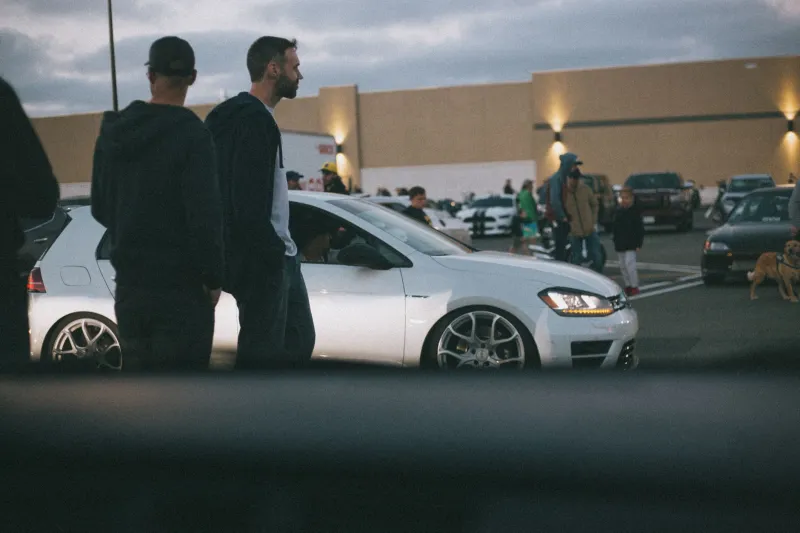
You know the feeling. You've spent months — maybe longer — sourcing the right parts, doing the research, pulling the trigger on a modification that genuinely moves the needle on how your car performs. Not a bolt-on. Not a sticker. Something real. And then you pull into a show, park next to a stock-suspension econobox wrapped in chrome vinyl with a TikTok handle on the rear glass, and watch strangers ignore your build to go take selfies with that thing.
Welcome to the rack tax. It's the invisible toll that technically serious builders pay every single time they choose function over flash.
What the Rack Tax Actually Is
The term doesn't come from any official playbook — it's just what happens when your most meaningful upgrades live in places nobody thinks to look. Forged pistons. A built transmission. A proper intercooler setup that keeps your intake temps honest on a hot Georgia afternoon. Fully rebuilt suspension geometry with real alignment numbers to back it up. These are the mods that change how a car actually behaves, and they're almost always invisible to the casual eye.
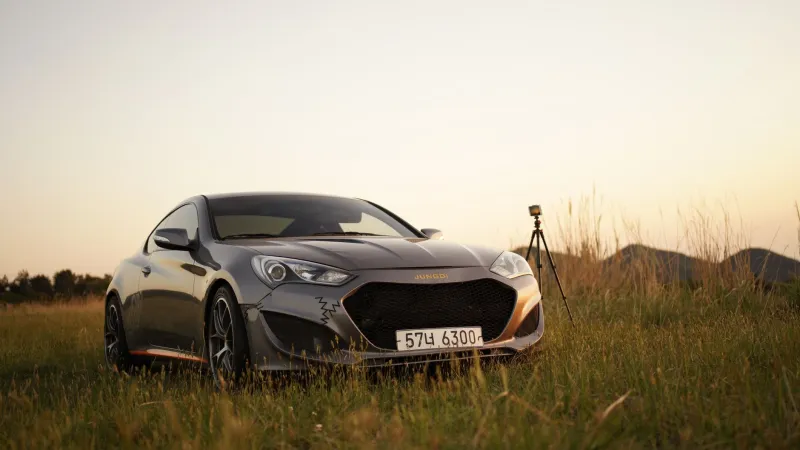
Meanwhile, a wide-body kit, a set of flashy wheels, or a custom wrap stops foot traffic cold. That's not a knock on cosmetic work — done right, it's an art form. But there's a fundamental imbalance in how car culture rewards visibility over substance, and it quietly discourages some of the most committed builders from going deeper.
The rack tax is what you pay in recognition — or the lack of it — every time you choose the right mod over the obvious one.
Why the Instagram Brain Broke Our Priorities
This problem didn't start yesterday, but social media accelerated it in ways the hobby hasn't fully processed. When every build gets judged in a three-second scroll, the stuff that photographs well wins. Always. A slammed stance car with matching livery and coordinated lighting pops on a phone screen. A car with a fully built motor, upgraded differentials, and a proper cooling system looks... like a car.
The result is a generation of builders who've internalized the algorithm's preferences as their own. Not everyone — plenty of people are still out here doing it the right way for the right reasons. But the gravitational pull toward visual-first decisions is real, and it's distorting what gets celebrated in the community.
Shops feel it too. You can charge almost anything for a paint correction and a color-matched engine bay because customers see that work immediately. Convincing someone to spend the same money on suspension rebuilds or proper fueling is a harder sell, even when the performance case is airtight.
The Psychology Behind Building for Validation
Here's where it gets uncomfortable: most builders, at some point, are chasing external validation. That's not a character flaw — it's just human. We spend money on our cars partly because we want other people to understand what we care about. The build is a statement, and statements are meant to be heard.
The problem is when that need for validation starts making build decisions for you. When you skip the proper brake upgrade because it won't show at a meet. When you buy wheels that are two sizes too large for your setup because they photograph better. When the car becomes more about what other people see than what you actually experience behind the wheel.
Ego-driven builds have a ceiling. They peak at the show and flatline everywhere else. The car that looks the part but can't back it up on a canyon run or a track day isn't actually finished — it's just decorated.
The Builders Who Don't Care (And Why They're Winning)
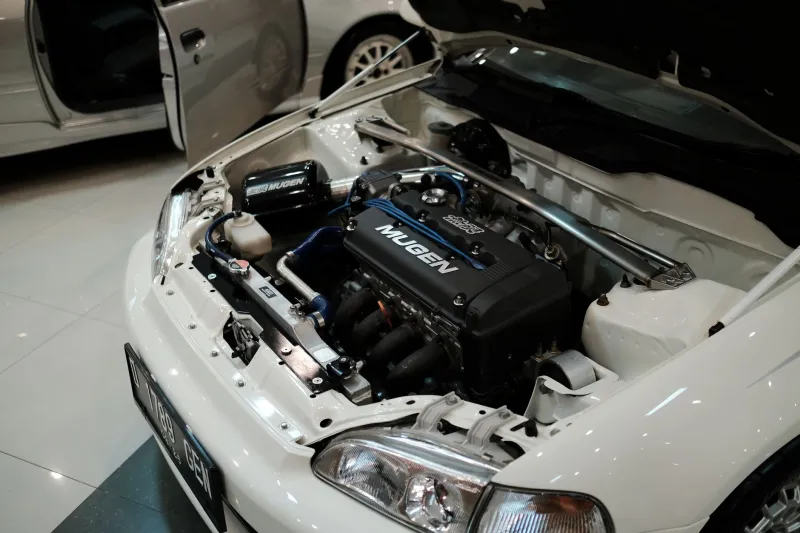
On the other side of this equation are the people who've stopped keeping score. They're not hard to find if you know where to look. They're the ones at the meet who aren't standing next to their car fishing for compliments — they're under someone else's hood asking questions. Their builds don't always photograph well, but they drive everywhere and never break down. When they open the hood, the conversation changes entirely for anyone who knows what they're looking at.
These builders have quietly opted out of the rack tax. They're not paying it because they're not playing the game that generates it. Their satisfaction comes from a completely different source — the feel of a perfectly dialed suspension, the pull of a motor that's been built to actually breathe, the confidence of knowing their car can handle whatever they point it at.
That's not a niche attitude. It's actually the original attitude. Car culture before social media was built on this — the respect earned by knowing your stuff, doing the work, and driving the result.
How to Spot a Real Build at a Show
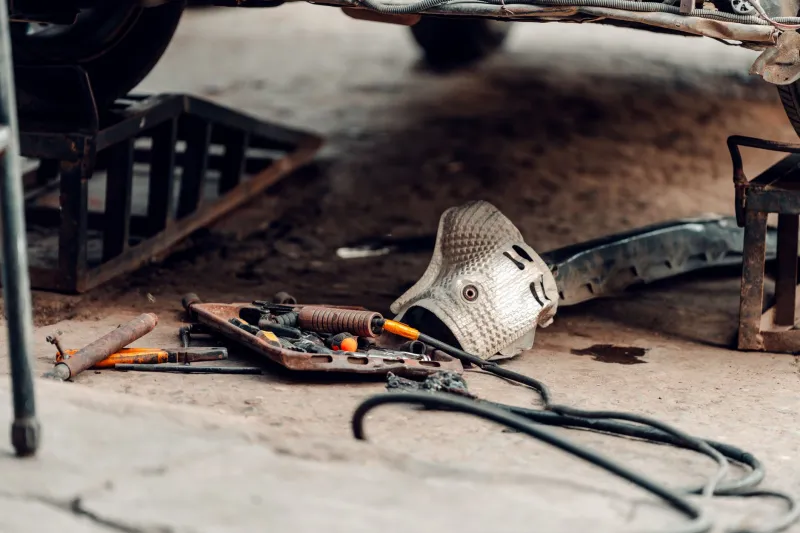
If you want to train your eye to see past the surface, start with the details that cost money but don't announce themselves. Look at the firewall — is it clean because someone actually addressed what's back there, or just because it got a fresh coat of paint? Check the engine bay for quality of execution on the plumbing, the wiring, the small stuff that nobody forces you to do right. Get on your knees and look at the undercarriage. A builder who cares about the whole car cares about what's underneath it.
Ask questions. The builders who've put in real work love talking about it, but they usually wait to be asked. They're not going to volunteer a ten-minute breakdown of their fueling system to someone who walked by glancing at their phone. But if you show genuine curiosity, you'll get an education.
The builds that reward a closer look are almost always the ones worth the most respect.
Stop Paying the Tax
If you're in the middle of a build right now and you're making decisions based on what's going to land at a show, slow down for a second. That instinct isn't wrong — it's just incomplete. Ask yourself whether the mod you're considering is going to make the car better or just make it look more built. Those aren't always the same thing.
The builders who make it to the other side of the rack tax — who stop letting outside approval drive their decisions — tend to end up with the cars they actually wanted in the first place. Not the car they thought would get the most attention. The car that makes them smile every time they get in it, whether anyone else is watching or not.
That's the build that matters. Everything else is just content.