Show Car or Street Warrior: Which Build Philosophy Actually Makes Sense for You in 2025

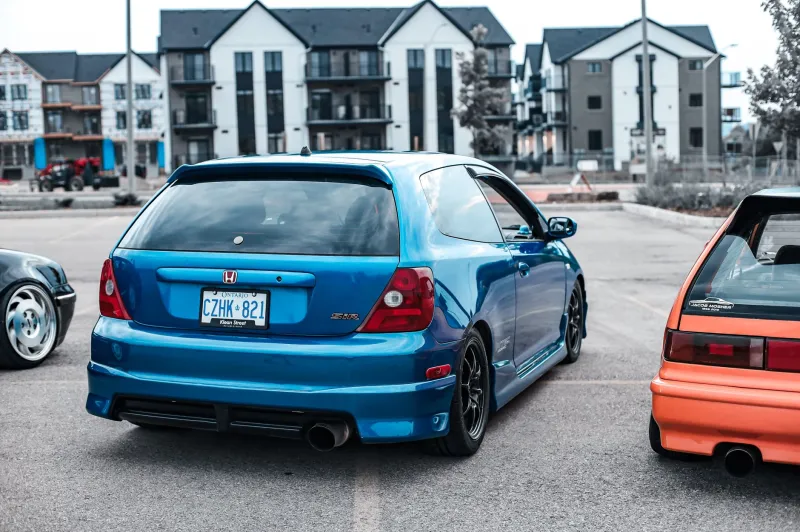
Photo by Photo by Jake Banasik on Unsplash on Unsplash
Walk through any major car show in 2025 and you'll see two completely different species sharing the same pavement. On one side, you've got builds so pristine they look like they were transported in a climate-controlled vault — cars that haven't seen rain since the Obama administration. On the other, you've got daily-driven machines that rack up real miles, take real abuse, and still manage to look aggressive enough to turn heads at a stoplight.
Both camps are passionate. Both camps have receipts. And both camps think the other group is doing it wrong.
So which approach actually wins? The honest answer is that it depends entirely on who you are, what you want out of the hobby, and — most importantly — what your budget can actually sustain without destroying your financial life.
Let's break it down.
The Case for the Trailer Queen
Building a show-quality car is an exercise in obsession, and we mean that as a compliment. These builds demand a level of attention to detail that most people genuinely aren't prepared for. Every panel gap, every wire tucked away inside a custom harness, every polished surface underneath the hood — it all adds up to something that legitimately stops people in their tracks.
The social payoff is real. A well-executed show car earns trophies, builds a following, and can open doors in the industry. Builders have launched careers — detailing businesses, fabrication shops, content channels — off the back of a single standout build that went viral or swept a regional show circuit.
There's also an argument to be made about preservation. Keeping a build off the street means no rock chips, no winter salt, no parking lot door dings from someone who doesn't care about your quarter panel the way you do. A trailer queen can stay show-ready indefinitely in a way that a daily driver simply cannot.
The hidden costs nobody talks about: Storage is expensive. A climate-controlled garage space in most major metro areas runs anywhere from $200 to $500 a month. Add a trailer, a tow vehicle capable of pulling it, insurance on a vehicle that doesn't get driven, and the registration fees you're paying on something that sits — and suddenly the budget math gets uncomfortable fast. You're also essentially maintaining two vehicles: the show car and whatever you're actually driving to work.
The Case for the Daily Driver Build
There's a different kind of respect that comes with a car that gets used. A slammed hatchback that commutes five days a week, makes it to the Saturday meet, and then gets washed and detailed in the driveway — that's a statement about priorities. It says the owner built something they actually live with, not just display.
Functionality forces discipline in a build. When a car has to start every morning and handle actual road conditions, you make smarter choices about reliability. You don't run a carburetor setup that floods in cold weather. You don't run coilovers set so low that you can't navigate a parking garage. The constraints of daily use tend to produce builds that are more cohesive and more technically sound.
Financially, the daily driver approach often makes more sense at the entry and mid-level of the hobby. You're not paying for a second vehicle, a trailer, or dedicated storage. The money goes directly into the build itself.
The hidden costs nobody talks about: Wear and tear is relentless. Performance modifications that feel exciting at 5,000 miles become expensive maintenance items at 50,000. Upgraded clutches, brake pads, suspension components — these wear faster when a car is being pushed harder than stock on a daily basis. A daily driver build that isn't maintained meticulously starts looking rough fast, and rough doesn't win shows or followers.
What 2025 Actually Looks Like
The content landscape has shifted the calculus on both sides. Social media has made visibility more democratic — a well-shot video of a daily driver build can reach more people than a trophy at a regional show. But it's also raised the visual bar for what a car needs to look like to cut through the noise. Half-finished builds and deferred details don't perform the way they used to.
At the same time, show culture has gotten more competitive and more expensive. The builds winning major awards in 2025 represent investment levels that were unheard of even five years ago. Comprehensive air suspension setups, custom fabrication, full respray work — these aren't hobbyist budgets anymore.
What this means practically is that the middle ground has gotten more interesting. Builders who are creating clean, well-documented daily drivers with strong visual identities are finding real audiences without the overhead of a full show program.
How to Actually Choose
Before you commit to either philosophy, answer these honestly:
How many cars can you realistically maintain? If the answer is one, a trailer queen is going to complicate your life unless you have genuinely flexible transportation alternatives.
What's your primary motivation? Trophies and industry recognition favor the show car path. Community involvement and the satisfaction of a functional build favor the daily driver approach.
What's your realistic annual build budget? Show car programs at a competitive level often require $10,000 to $20,000 or more per year when you factor in storage, transport, and continuous refinement. A serious daily driver build can be maintained and improved for significantly less.
How much does weather matter to you? If you're in the Pacific Northwest or the Midwest, a show car that can't get wet is a significant lifestyle compromise for eight months of the year.
There's No Wrong Answer — But There Are Wrong Budgets
The enthusiast community has room for both philosophies, and honestly, the tension between them is part of what makes car culture interesting. Trailer queens push the definition of what's possible. Daily drivers prove that function and form can coexist.
What doesn't work is choosing a strategy that doesn't match your actual life. A show car you can't afford to store properly will deteriorate. A daily driver build you push harder than your maintenance budget allows will leave you stranded.
Flash your rack in whatever form that takes for you — just make sure you've done the math first.