Engine Swaps: The Ones Worth Every Penny and the Ones That'll Drain You Dry
There's a moment in every serious builder's life when the stock engine just isn't enough anymore. Maybe it's underpowered, maybe it's tired, or maybe you've been down a YouTube rabbit hole at 2 a.m. watching swap compilations and now you can't unsee the potential. Whatever got you here, the question is the same: which swaps are genuinely worth doing, and which ones are going to turn your dream build into a four-year nightmare you tell people about as a cautionary tale?
We talked to builders, mechanics, and a couple of shop owners who've seen these projects arrive on their lifts in every possible state of completion — and incompletion. The answers might surprise you.
Why Swaps Go Wrong Before the First Bolt Even Turns
The fantasy version of an engine swap is clean. You yank the old motor, drop in something legendary, button it up, and drive off into the sunset with 200 extra horsepower and a grin that won't quit. The reality involves wiring harnesses that don't speak the same language, transmission tunnel modifications, custom motor mounts that have to be fabbed from scratch, and ECU compatibility issues that can take months to sort out.
"People come in with a motor they bought off Facebook Marketplace and a vision," says one Texas-based shop owner who asked to remain anonymous. "They've got the engine, maybe the transmission, and about thirty percent of what they actually need. The other seventy percent is where the budget goes to die."
The most common mistake? Underestimating the supporting cast. The engine is just the headline act. Cooling systems, fuel delivery, exhaust routing, driveshaft lengths, and ECU tuning are all supporting roles that cost real money and real time.
The Swaps That Actually Deliver
LS into Almost Anything
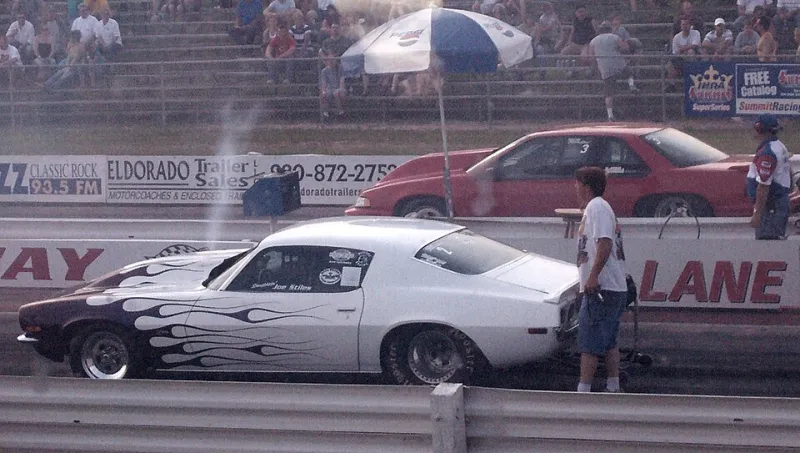
If there's a hall of fame for engine swaps, the GM LS series has its own wing. The aftermarket support is staggering, donor motors are plentiful at reasonable prices, and the swap community has already solved most of the problems you're going to run into. Whether you're dropping one into a first-gen Camaro, a Miata, or an S10, you're working with decades of documented solutions. Expect to spend $8,000 to $15,000 all-in for a clean, streetable build — more if you're chasing big power — but you'll have a car that runs reliably, makes real numbers, and commands respect at any show or cruise.
2JZ into an S-Chassis
The 2JZ-GTE is a legend for a reason. When you pair one with a 240SX or S14, you're building on a platform that drifters and track guys have been refining for twenty-plus years. The swap is well-documented, parts are accessible, and the ceiling on power is genuinely absurd if you want to chase big boost down the road. Budget realistically — you're looking at $10,000 to $20,000 for a proper build — but the community knowledge base alone is worth something.
K-Series into an EG or EK Civic
For Honda guys, the K-swap is the move. You're getting a modern engine with VTEC, solid reliability, and a platform that's been optimized by a massive community of builders. Swap kits are commercially available, meaning you're not fabricating everything from scratch. A well-executed K-swap in a clean Civic is genuinely competitive on the track and still daily-drivable — a combination that's harder to pull off than it sounds.
The Swaps That'll Haunt You
Exotic Engine, Wrong Platform
Dropping a Ferrari or Lamborghini engine into a car that was never designed to accommodate it sounds incredible on paper. In practice, you're signing up for custom everything — mounts, cooling, wiring, exhaust — with zero community support and parts that cost a fortune when they break. These builds exist, and some of them are genuinely impressive. But the builders behind them will tell you, usually with tired eyes, that they didn't know what they were getting into when they started.
Diesel Swaps into Performance Cars
There's a niche audience for diesel-swapped sports cars, and some of those builds have real character. But unless you're chasing a very specific goal — massive torque for towing or off-road use — cramming a diesel into a platform built for a gas engine creates more problems than it solves. Emissions compliance alone can make these builds illegal in several states, and the resale market for a diesel-swapped Mustang is approximately zero.
Outdated Engine into a Modern Platform
Going backwards in technology — swapping an old carbureted motor into a late-model car — sounds like a fun retro project until you realize you've just made your daily driver significantly less reliable, potentially illegal for emissions, and nearly impossible for any shop to service without specialized knowledge. These swaps have their place in dedicated show builds, but if you ever want to drive it in the real world, you're going to have a bad time.
The Numbers Don't Lie
Here's a rough breakdown of what builders actually spend versus what they budget:
- Budgeted: $5,000–$7,000 for a "simple" swap
- Actual average spend: $12,000–$18,000 when all supporting parts, labor, and tuning are factored in
- Timeline budgeted: 3–4 months
- Actual average timeline: 8–14 months
Those numbers aren't meant to scare you off. They're meant to recalibrate your expectations so you go in with your eyes open. The builders who finish their swaps and love them are almost always the ones who planned for the real cost, not the optimistic one.
What the Mechanics Actually Wish You Knew
Every shop mechanic we spoke to said the same thing in different ways: do your research before you buy the engine, not after. Join the forums specific to your platform. Find someone who's already done the exact swap you're planning and ask them what they wish they'd known. The car community is genuinely generous with knowledge — use it.
Also, buy the right engine the first time. Saving $800 on a mystery motor with unknown mileage is how you end up pulling it back out six months later and spending double.
Flash Your Rack Verdict
Engine swaps are one of the highest-impact modifications you can make to a build — when they're done right. The swaps worth doing share a few common traits: strong aftermarket support, documented community experience, and a logical fit between the engine and the platform. The ones that haunt builders are almost always chasing a concept that looks better in a render than it performs in real life.
Do the homework. Build the budget with a thirty-percent buffer. And if a mechanic looks at your plans and goes quiet for a moment before speaking — listen very carefully to what comes next.